Inside sincrona · 30 October 2026
Can you shoot a reel with no camera, no actor and no bike? We tried it with nine models.
One test scene, nine video models and three rounds of prompts to pick what to shoot our reels with. What worked, what broke and what it cost.
Models
Video generators
Videos
Tests and finals
Prompts
To generate the videos
Cost
All in
Everything you see in this post is AI-generated
The rider, his home and his bike don’t exist, and these images aren’t used anywhere else as if they were real.The experiment: nine AI video models
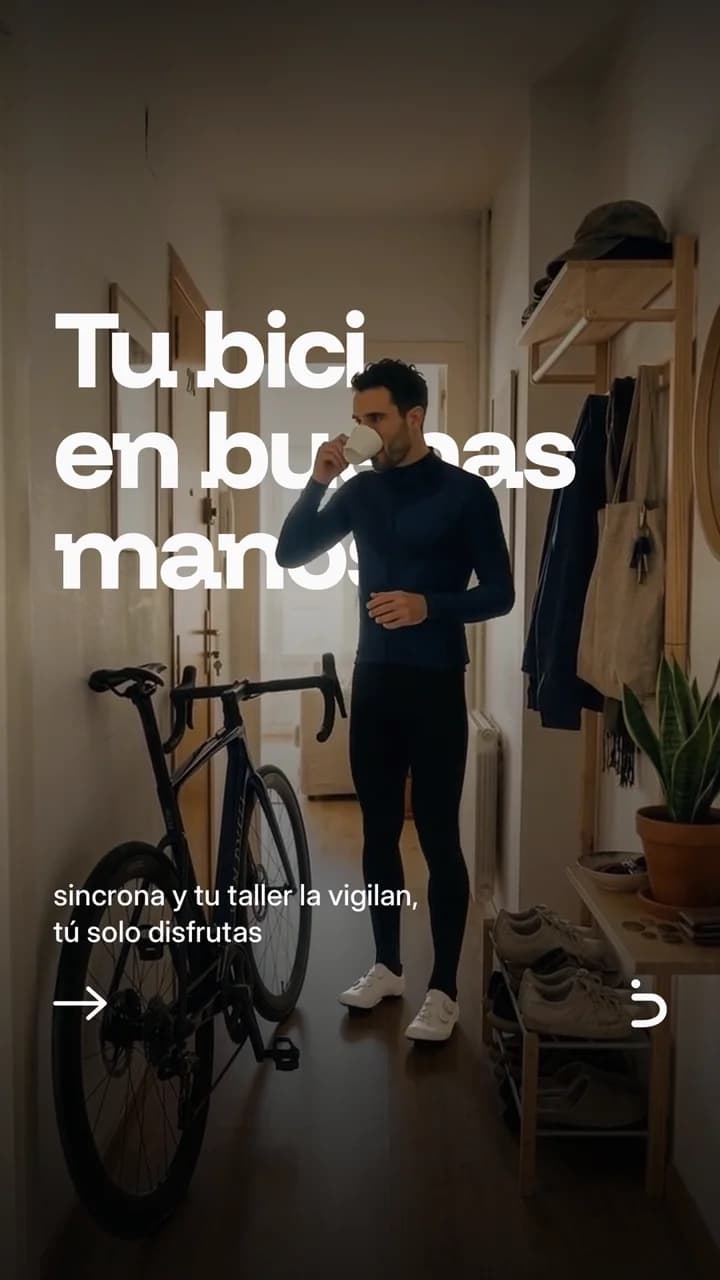
"A rider gets home after a training ride on his road bike. He makes a coffee and checks his ride on his phone, when a notification from sincrona pops up to remind him his bike needs maintenance."
The key elements
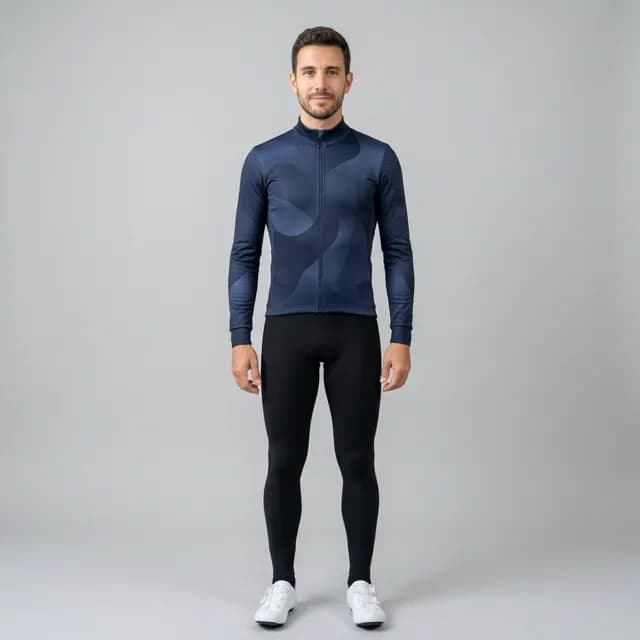
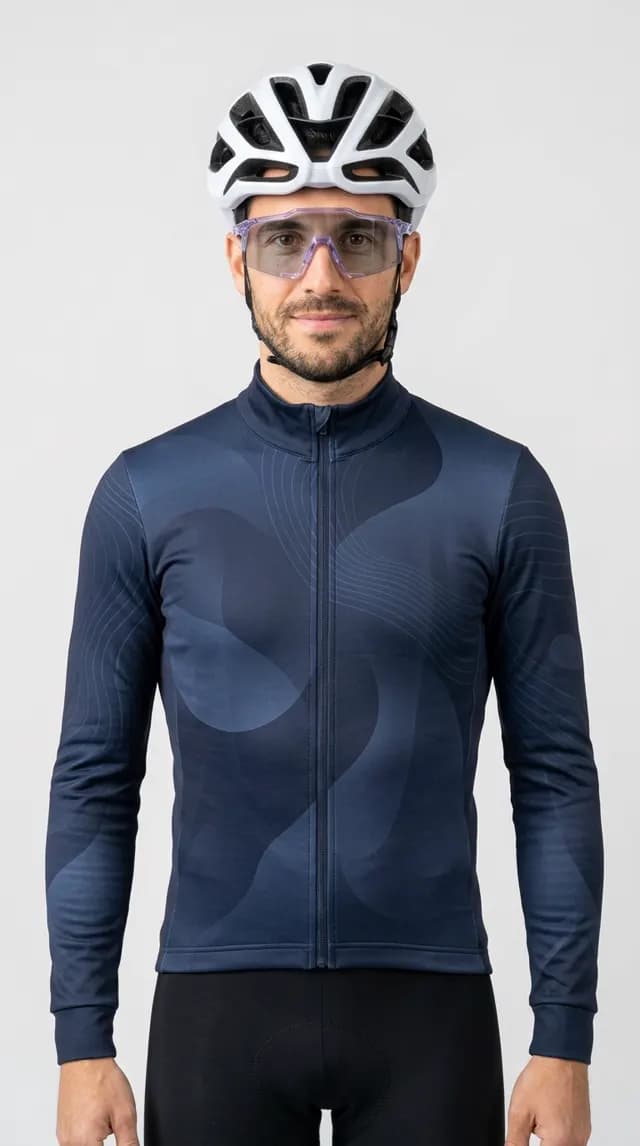
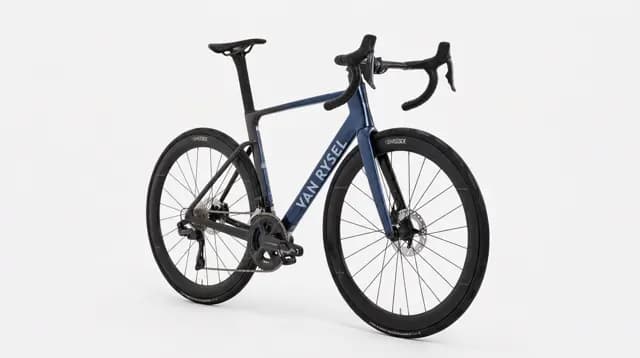
API: Nano BananaWe started by creating the characters and key elements that make up the scene. To do that, we used a set of prompts that describe each of them in a detailed, consistent way.
In this step we used Nano Banana to generate the reference images, remove logos and put together small compositions (like adding pedals to the bike, or the helmet to the rider).

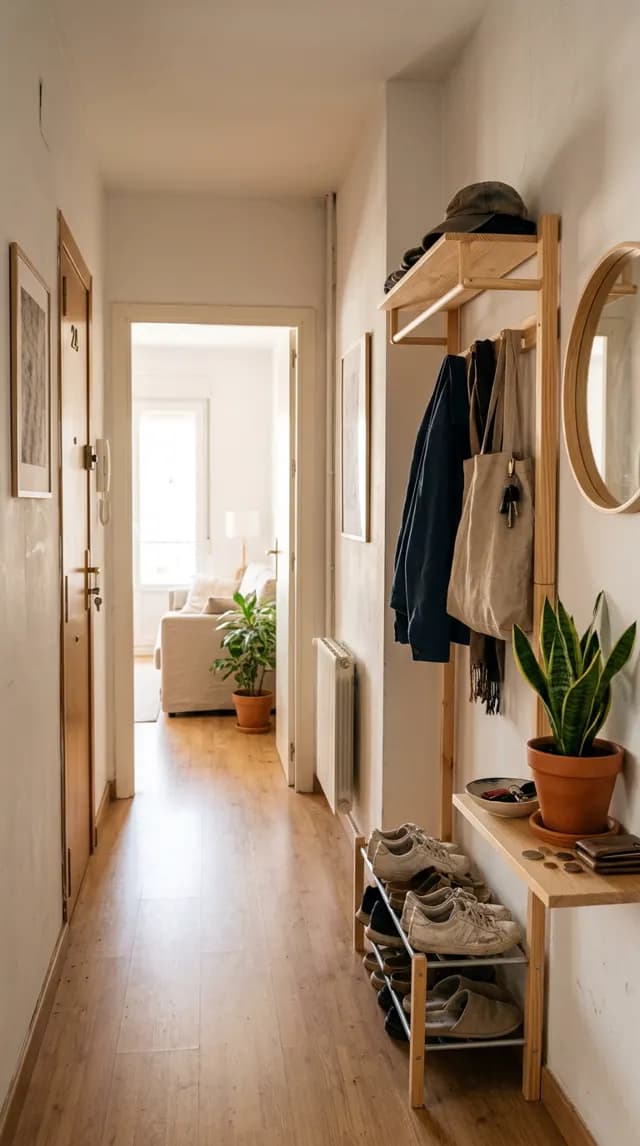
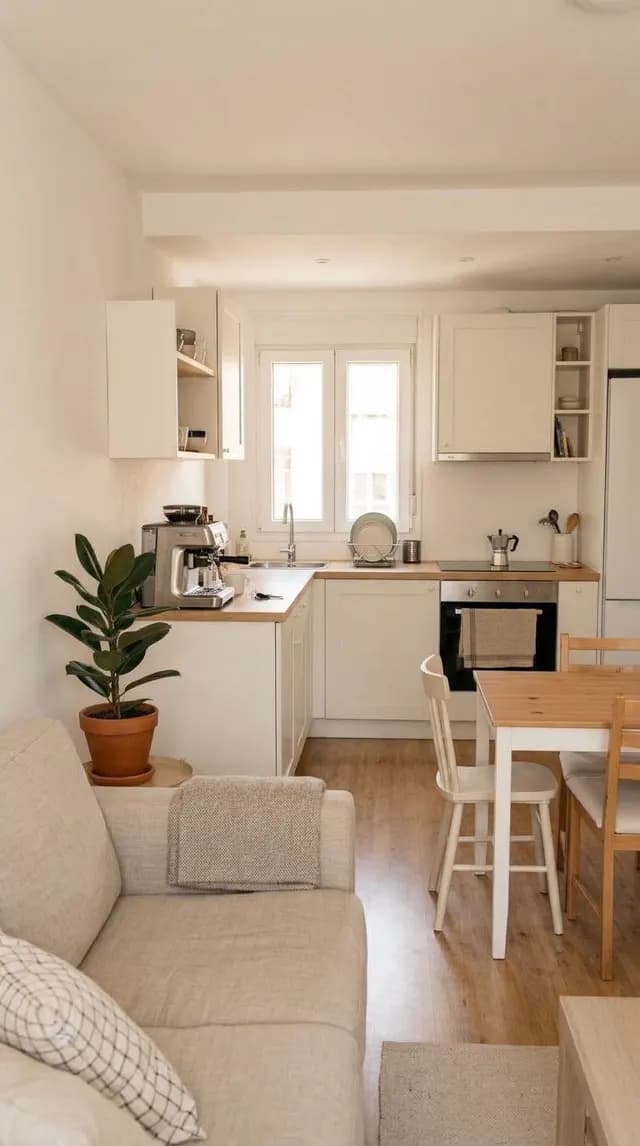
Start frames per shot
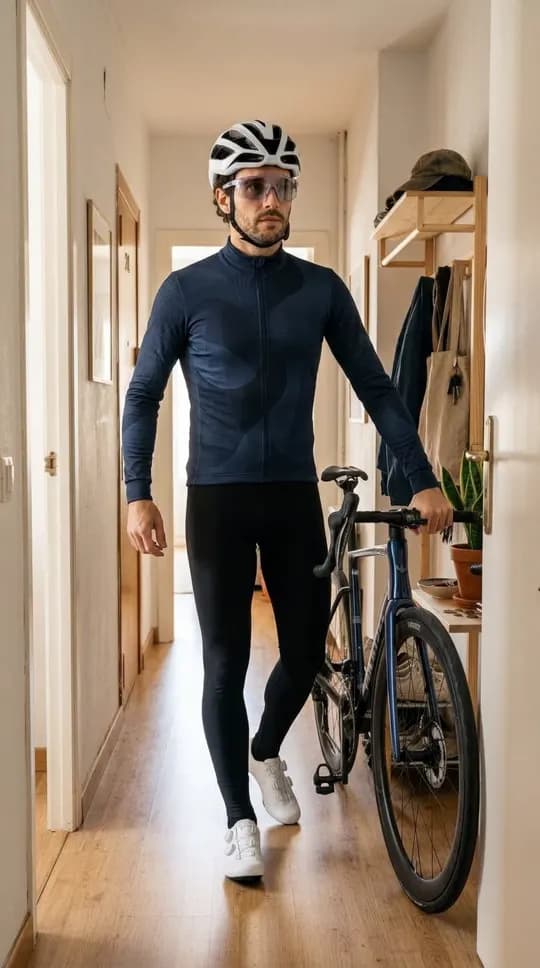
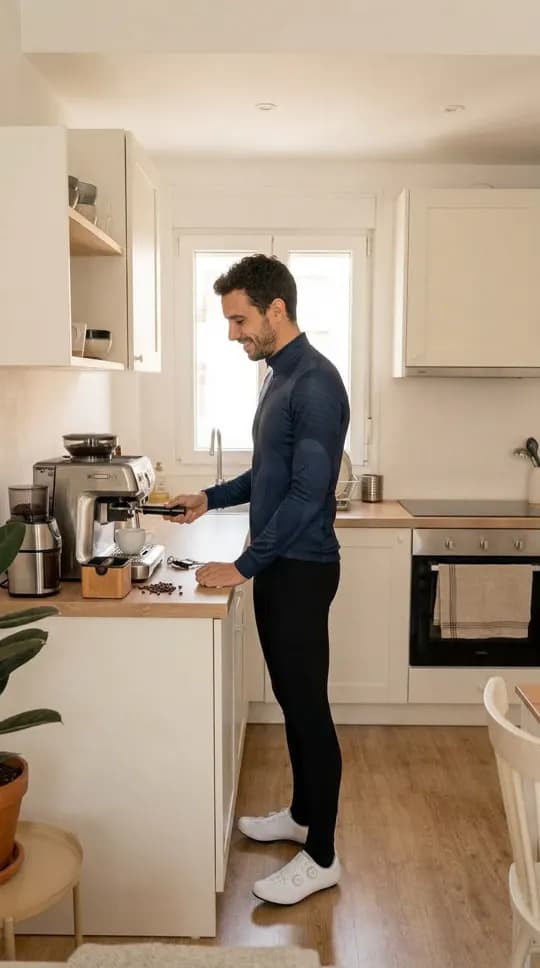
API: Nano BananaIn this step we locked in certain keyframes we wanted in the video, by clearly defining the start frame of each shot.
Again, we used Nano Banana with a set of specific prompts, reusing the descriptions of the characters and key elements from the previous step.
The keyframes are:
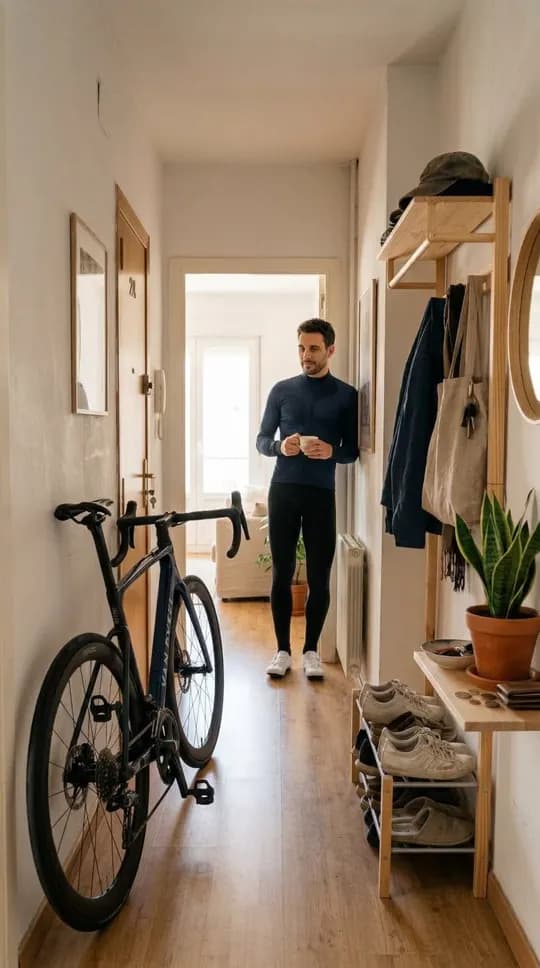
- s1: he arrives home with the bike down a narrow hallway.
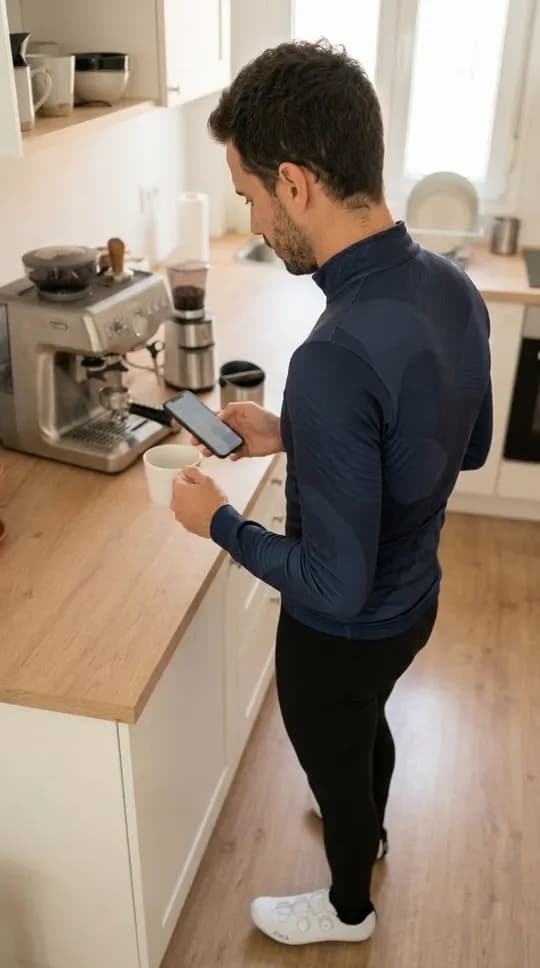
- s3: he makes a coffee on the espresso machine.
- s5: he looks at his phone, a cup in his other hand.
- s6: at the end of the hallway with his cup, facing the bike leaning on the wall.
The models
API: fal.aiIn the experiment we compared how each model interpreted the same start frame and prompt, judging how faithful it stayed to the key elements and how coherent the movement was.
What broke along the way
"Invalid input"
It only takes images by URL.
"Identifiable real person"
Its moderation rejected a frame.
HTTP 500
On retry, it worked.
Round 1: the bike and the notification
We judged them in motion: the bike passes through nothing, the face doesn't change, the hands really hold things and no invented logos appear:
Wan 3
The camera goes beyond the frame.
Kling 4
Fails at nothing. The most expensive.
Gemini Omni Flash 1.1
The best phone interaction.
FLUX 3 Max
Solid, but in s5 he smiles off to the side.
Seedance 2.0
As solid as Kling, but a little slow.
Seedance 2.5
Goes through the door.
Luma Ray 3.2
Slow and awkward; smiles at the camera.
MiniMax H3 Max
Far too slow; overdone expression.
Veo 3
Doesn't clear the door. The most expensive.
The prompt or the model?
Even though the results were acceptable, we redid the failing shots with a fixed prompt. Not every failure was the model's fault.
A close-up and a helmet
Gemini Omni Flash cut to a close-up of the coffee on its own: all great, even better than expected, but back in the wide shot the rider was a different man.
Wan, on the other hand, kept the same rider in every shot. But it decided to put a helmet and glasses back on him out of nowhere, different ones, and when it shouldn't have.
s5, in three versions
s5 took three versions of the prompt: a slow push-in, eyes fixed on the screen, coffee with no light inside the cup, and the "no logos" rule.
The helmet and the cup
With the fixed prompt, Wan stops putting the helmet back on in s6.
The logo, the skin and the smile
Wan still invents a logo. FLUX smiles off to the side.
In short: the right model for each shot
A reel is cut from separate shots, so each shot can use whichever model does it best:
Wan 3 for wide and medium shots
It moves naturally and it's cheap.
Kling 4 for close-ups
It's expensive, but it does better up close.
The cut: where the seams show
We joined the picked takes, and also cut the scene with Wan only and with Kling only. Across models, you can't see the cut.
But the scene doesn't flow. Each shot starts from its own still, so the rider jumps position, the cup appears in his hand and the helmet vanishes between shots. That's not the models' fault: it's how we structured the scene.
What we're taking away
The prompt has to match the start frame
If they contradict each other, each model resolves it its own way, and the comparison stops being fair.
Describe what you want to see
"VO2 max intervals" isn't an image. "Out of the saddle, gasping for air" is.
Name it and you summon it
Asking to keep the helmet brought it back. Describe only what should happen.
Describe a style; don't cite it
"Wes Anderson" works better written out as symmetry, a locked-off camera and a pastel palette.
Watch the videos, not the frames
A bike going through a door, or a smile aimed at nobody, doesn't show in single frames.
Version your prompts
Every change with its reason, and the old takes kept. Otherwise, by round three you won't know what fixed what.
What it costs to shoot a reel with AI
fal.ai charges per second of video, except Seedance, which charges per token, and it doesn't charge for failed requests. More than half of the cost is Seedance, whose price per video we estimated ourselves. That doesn't include the reference images.
Videos
Tests and finals
Cost
All in
Wan 3
Per 5-second shot
Kling 4
Per 5-second shot
Prices per model (October 2026)
| Model | Price | Videos generated |
|---|---|---|
| Seedance 2.0 | $0.014 per 1,000 tokens (about $1.50 a video, estimated) | 8 |
| Seedance 2.5 | $0.0214 per 1,000 tokens (about $2.30 a video, estimated) | 2 |
| Kling 4 | $0.157/s | 6 |
| Veo 3 | $0.40/s | 2 |
| Wan 3 | $0.05/s | 7 |
| MiniMax H3 Max | $0.0325/s | 2 |
| Gemini Omni Flash 1.1 | $0.03/s | 5 |
| Luma Ray 3.2 | $0.03/s | 3 |
| FLUX 3 Max | $0.02125/s | 6 |
A future 20 to 25-second reel, with around three takes per shot, would come to $5 to $15:
Wan 3
With this model only
Wan and Kling
A mix of both
Kling 4
With this model only
Tests
Per test and shot
After this experiment we shot an enduro reel and refined the process: how we made an enduro reel with AI.
Curious where this goes? Follow us on LinkedIn.